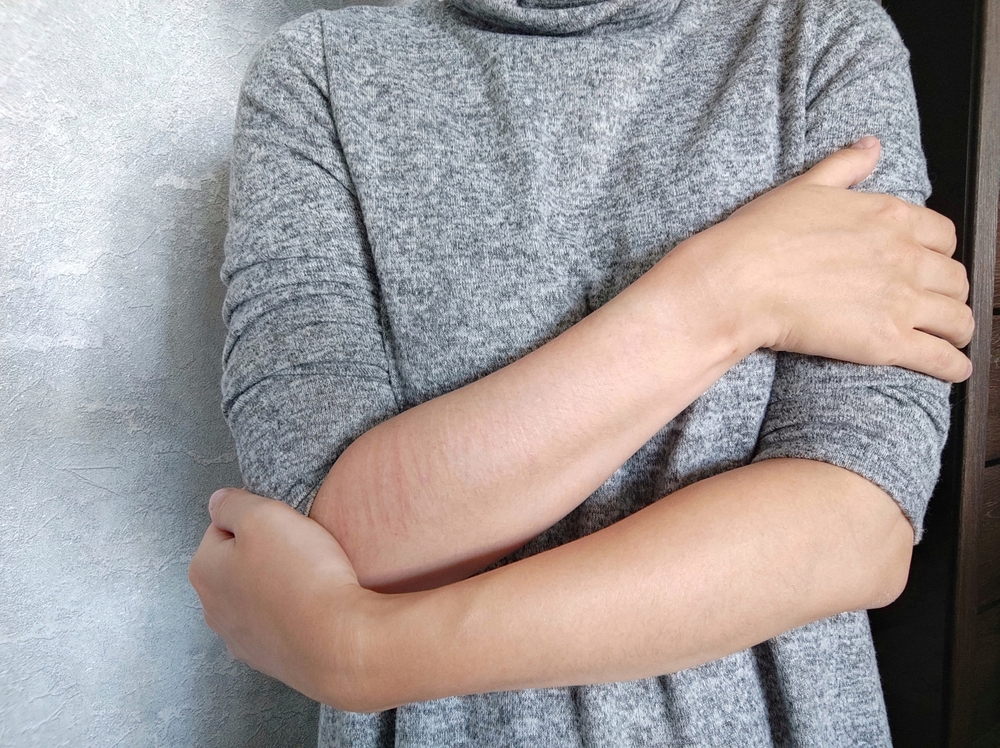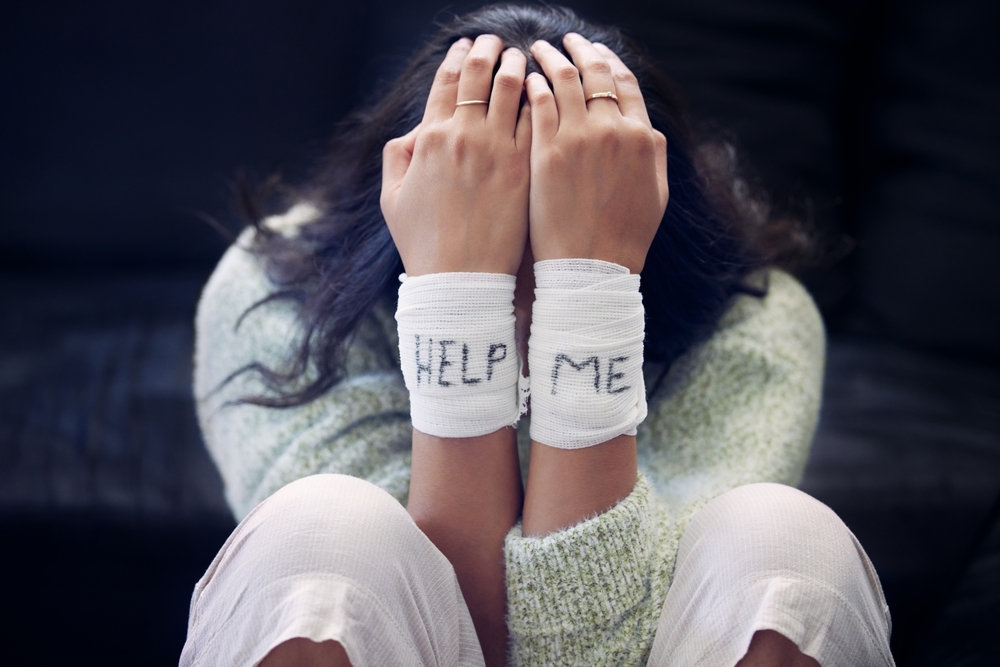
March 1 marked Self-Injury Awareness Day, a time dedicated to increasing understanding, reducing stigma, and encouraging informed, compassionate conversations about self-injury. One area that continues to spark debate is the role of the internet. Has online access worsened self-injury by normalizing or encouraging it? Or has it created pathways to education, connection, and recovery? The answer, based on years of research and observation, is complex: the internet has done both.
Early Online Spaces: Unregulated and Unfiltered
In the early 2000s, online information about self-injury was limited and largely unregulated. Websites were often created by individuals rather than professionals and ranged widely in tone and purpose. Some focused on sharing definitions and explanations of self-injury, often pieced together from medical sources. Others leaned toward artistic expression, featuring poetry, artwork, or personal reflections meant to express pain or invite connection.
These early spaces were typically open to anyone who searched for terms related to self-harm. Because there were few safeguards, people often entered without fully understanding the nature of the content. In some cases, discussions included vivid descriptions or images of injuries, which could be distressing or triggering for vulnerable users. Without consistent moderation, certain environments unintentionally encouraged comparison, competition, or escalation of harmful behaviors.
The Shift Toward Structured Communities
As internet use expanded and awareness of online harms grew, self-injury-related spaces began to change. By the mid-to-late 2000s, many individual websites gave way to more organized forums, discussion boards, and online groups. These spaces varied widely in their goals, structure, and rules, but they generally fell along a spectrum of regulation.
At one end were highly structured, recovery-focused communities, often connected to clinical programs or mental health professionals. These groups implemented strict moderation policies designed to reduce harm. Graphic language, detailed descriptions, and references to methods were typically prohibited. The emphasis was on coping strategies, emotional processing, and sustained recovery. Participation often required a commitment to reducing or stopping self-injury, which created a safer environment for some, but felt exclusionary to others who were not ready for that step.
At the opposite end were communities that openly accepted or normalized self-injury. These groups framed the behavior as a personal coping mechanism or lifestyle choice, often rejecting societal stigma. Members emphasized autonomy and control, especially for individuals facing ongoing stress, trauma, or limited external support. Over time, many of these spaces were removed by hosting platforms, leading users to migrate frequently and form more transient, underground networks.
The Middle Ground: Moderated but Inclusive
Between these extremes emerged a large number of moderately regulated communities, which ultimately became the most common. These spaces aimed to balance safety with openness. While they discouraged graphic content or explicit encouragement of self-injury, they allowed honest discussion about urges, struggles, and ambivalence around stopping. Members included people actively trying to quit, those who had stopped, and those still relying on self-injury to cope.
For many individuals, these environments offered something they could not find elsewhere: understanding without judgment.
They allowed people to talk openly about their experiences while still promoting harm reduction and emotional support. This balance helped mitigate some of the risks seen in unregulated spaces while avoiding the rigidity that pushed some users away from strictly recovery-only groups.
Does the Internet Cause Self-Injury?
A common concern is whether online exposure causes people to start self-injuring. Research and long-term observation suggest this is largely not the case. Most individuals who participate in online self-injury communities had already begun the behavior before seeking out these spaces. The internet tends to function less as a point of origin and more as a place of connection once the behavior is already present.
Broader influences, such as media portrayals, peer conversations, and offline social environments, appear to play a larger role in initial exposure. Online communities, however, can shape how individuals understand their behavior, how isolated or supported they feel, and whether recovery feels possible.
Why This Matters on Self-Injury Awareness Day
Self-Injury Awareness Day is not only about visibility—it’s about nuance. The internet is neither entirely harmful nor entirely helpful. It reflects the needs, vulnerabilities, and intentions of the people using it. For some, online spaces provide education, validation, and a first step toward seeking help. For others, poorly moderated environments can reinforce harmful patterns.
Awareness efforts should focus on promoting responsible online practices, encouraging platforms to prioritize safety, and helping individuals find supportive, recovery-oriented resources when they are ready. Most importantly, these conversations should center on empathy rather than fear.
Reducing stigma, both online and offline, remains one of the most powerful tools we have. When people feel understood rather than condemned, they are more likely to seek help, share honestly, and move toward healing.
If you or someone you love is struggling with self-injury, please contact us. At Beverly Hills Therapy Group, we’re ready to provide empathetic and non-judgmental support as you navigate your path to healing.